Classical Drawing:
A Course in the French Academic Method
Live In-Studio & Virtual Class
Saturdays 10am-12pm CT
March 28th - May 16th, 2026
Discover Your Talent through Traditional Drawing Techniques
Welcome to a journey back in time where the elegance of classical art meets the precision of the French Academic method. In this course, you'll learn the same techniques taught to artists at the height of the Classical Realist period, where use of accurate and controlled drawing and shading was considered the foundation of good art.

Why Study the French Academic Method?
If you want the ability to draw with accurate proportion and shading that shows form, there is no faster or more effective way. Regardless of whether you have years of experience or have never picked up a pencil, the French Academic method consistently leads to solid drawings.
When using these techniques, it's clear whether things are right or wrong, and this is especially helpful to learn for times when you're working along, without an instructor to help you problem solve.
Having the tools to create accurate drawings also trains your eye to see proportion and shape naturally, so that you create better drawings even when you're not specifically using the French Academic method.

What You Will Learn
Here's a syllabus of what you'll study each week.
Lesson 1: Drawing Basics
We'll begin with a straight-line sketch of individual facial features, using a simple measuring technique. This introduces you to the foundational concepts of this course which will be built upon in each lesson.
Lesson 2: Starting a Bargue Copy
You'll create your first Bargue copy over the next three lessons. This week, learn how to lay out proportions as a solid foundation for contour and shading.
Lesson 3: Bargue Plate Contour and Basic Shading
Create accurate contours and begin the first stages of shading. Learn the key to creating dark, smooth shadows with graphite and a blending stump.
Lesson 4: The Keys to Realistic Shading
Delve deeper into light logic and learn realistic shading techniques using of a variety of mark-making methods and graphite hardnesses.
Lesson 5: Beginning a Cast Drawing
Now it's time to move on to drawing from life with charcoal. You'll learn a new measuring technique adapted for drawing from life as you create a plan for proportion and value.
Lesson 6: More Techniques for Measuring and Checking
An increase in variables when working from 3D means you need to use additional methods of checking measurements in order to ensure accuracy and troubleshoot problems. This week, you'll fine tune your block-in and begin shading.
Lesson 7: Creating the Illusion of Depth
Direct observation creates an opportunity for additional realism. Learn how to represent aspects of how the eye sees, and how to control your vision in order to create more depth and focus in your drawing.
Lesson 8: Everything is Always in Transition
Sometimes rendering everything as you see it isn't enough to make a drawing convincing or interesting. In this final lesson, you'll learn to make strategic decisions that move you away from just copying what's there to expressing a vision!

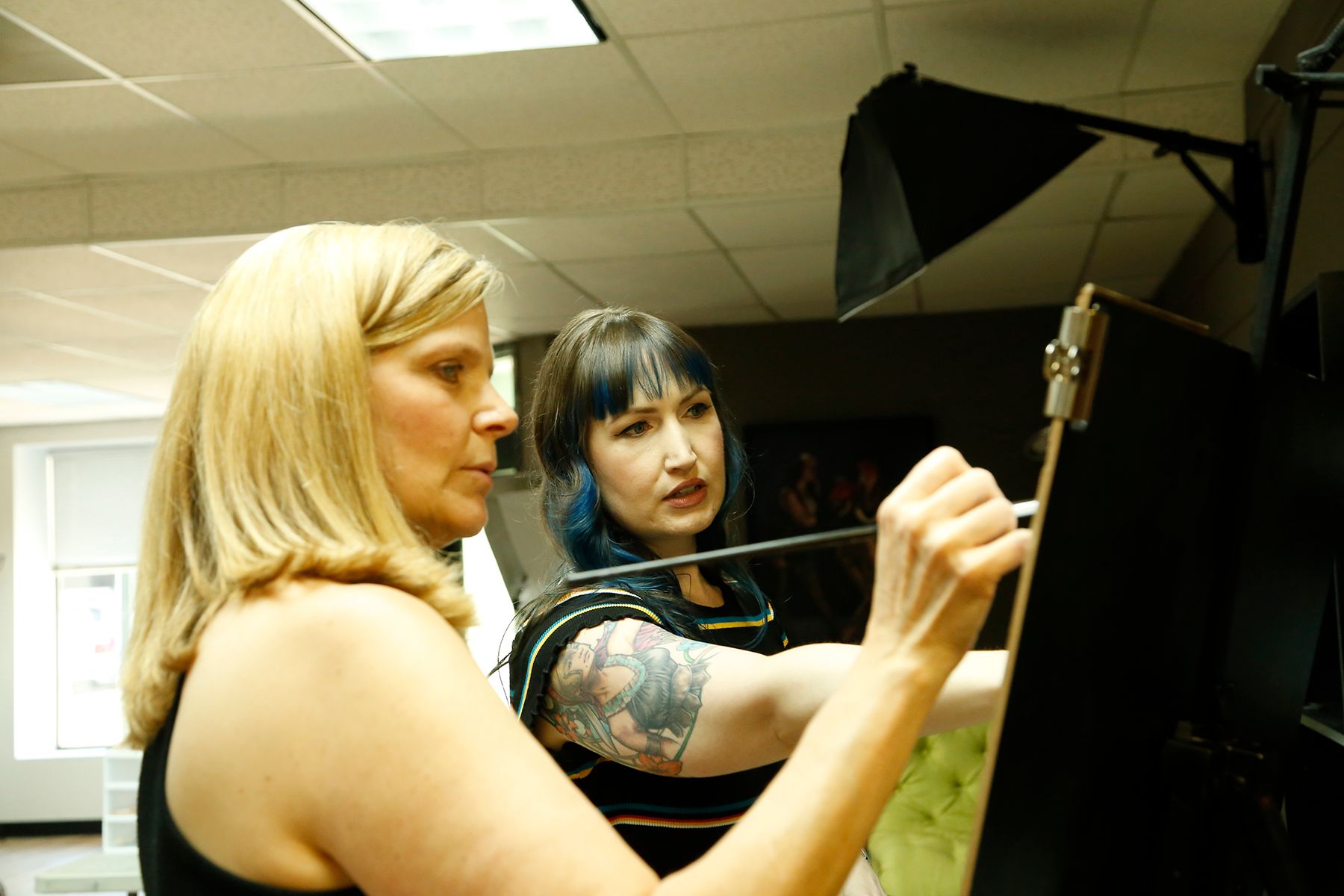
In-Studio Attendance
All materials are provided for in-studio attendance at School of Realist Art. This includes Bargue Plates, drawing materials, a variety of plaster casts, and a dedicated still-life shelf to keep your cast set up week-to-week.
Access to the online course provided as needed.
Virtual Attendance
- Attend During the Live Class: You get the same high quality instruction as students in the studio. Join live during the class and ask questions or send photos, and/or watch the replays later. Additional resources such as overview videos and PDFs provide depth of information.
- Downloadable References and PDFs: Everything you need to participate including printable Bargue plates, still-life set up and materials guides, and class notes are ready for you in the online platform.
- Continued Course Access: Revisit the course videos anytime! In fact, I recommend repeating the entire course multiple times. You'll find that your ability progresses each time you complete a new project, and the difficulty can be increased by copying more complex Bargue plates and casts.
- Illustrated Feedback: Email your work in during class or at other specified times to receive illustrated ideas for improvements or your next steps.


What Will I Need?
All materials are provided for in-studio attendees. Virtual attendees will need the following:
- Drawing Materials: Graphite and charcoal materials, papers, erasers, and a few measuring implements.
- Printed Bargue Plates: Have 2-4 plates printed to use in the first half of the course.
- Plaster Cast: You'll need a plain white, matt object (or plaster cast) that's a decent size for drawing.
- Still Life Box and Lighting: It's important to control the light on your cast. This can be accomplished with a shelf or a box and small light.
In depth details for all of the above available in the Materials PDF.
Learn Time Tested Drawing Skills
Live In-Studio & Virtual Class
Saturdays 10am-12pm CT
March 28th - May 16th, 2026