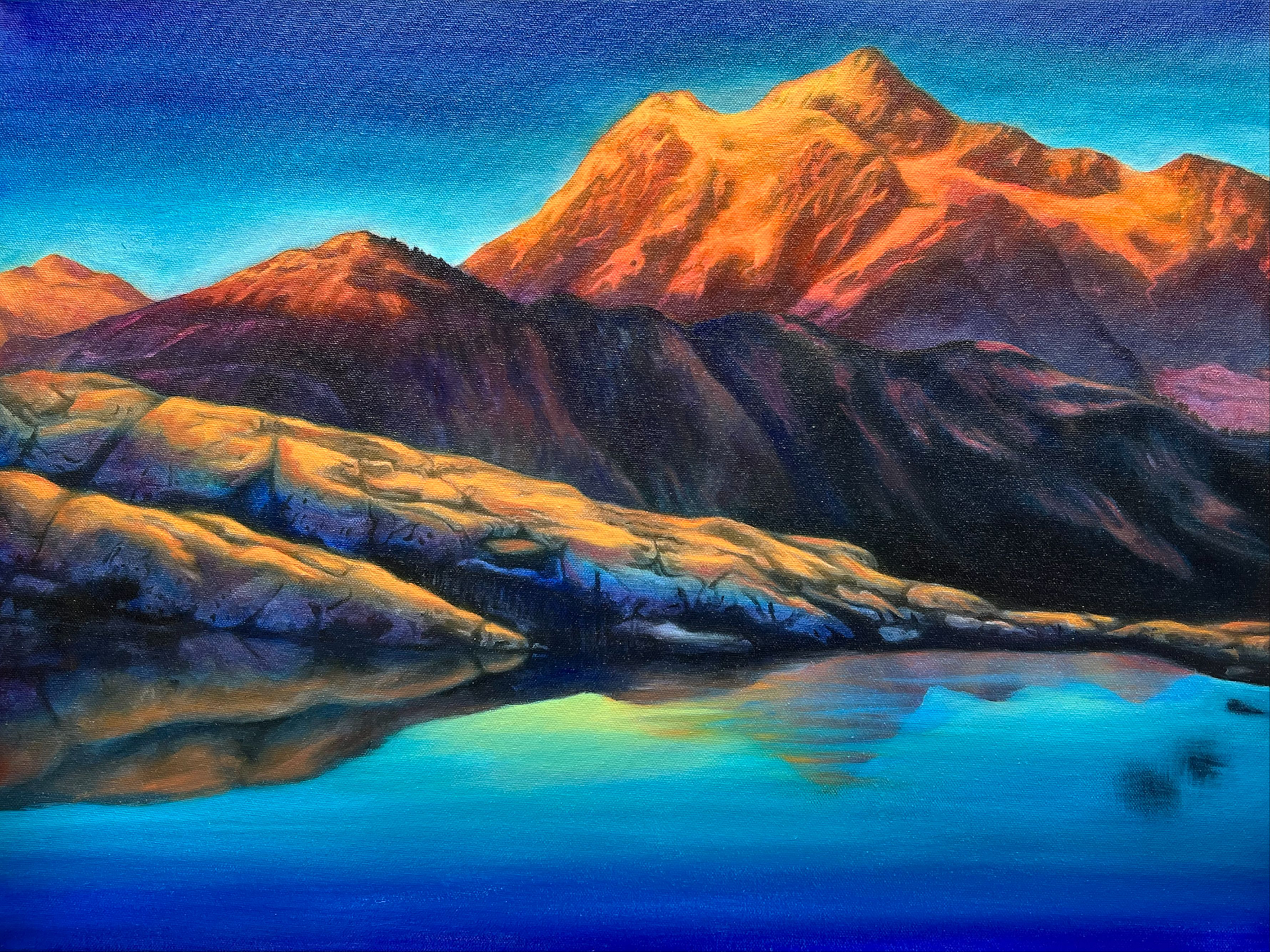
Landscape Compositions
In-Studio & Live Virtual Class
Wednesdays, 6-8pm CT
June 10th - July 15th, 2026
Explore design and composition through layered landscape paintings in oil.
Perhaps you've already taken Land & Sky: Principles of Oil, or maybe you've been experimenting with landscape painting but you feel they're falling flat and you don't know why. This is the perfect opportunity to push your work to the next level through targeted lessons and expert guidance.
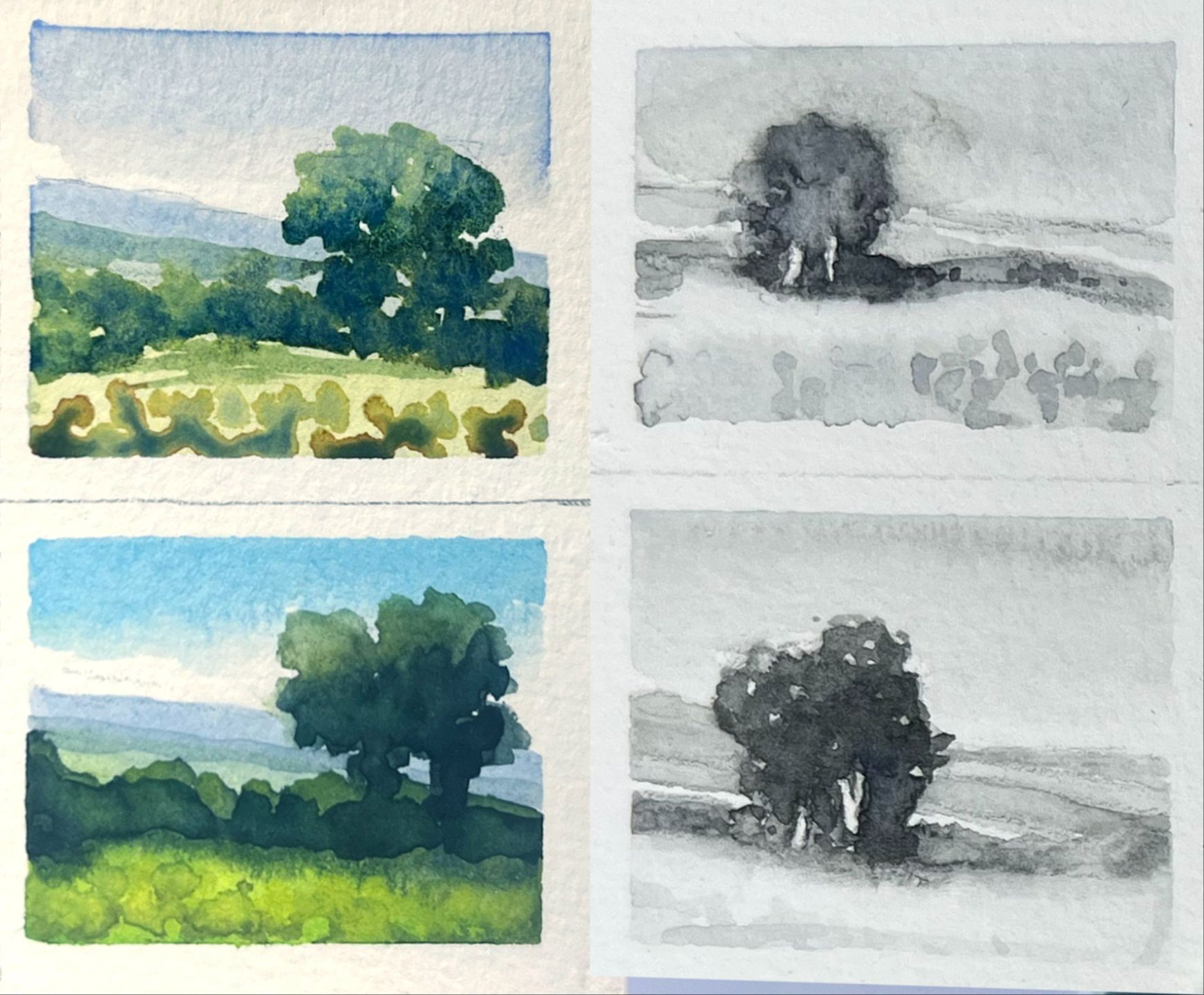
Establish Design First
Minimize unexpected problems, maximize intentional placement and color! You'll learn how to create unexpected compositions with emotional impact.
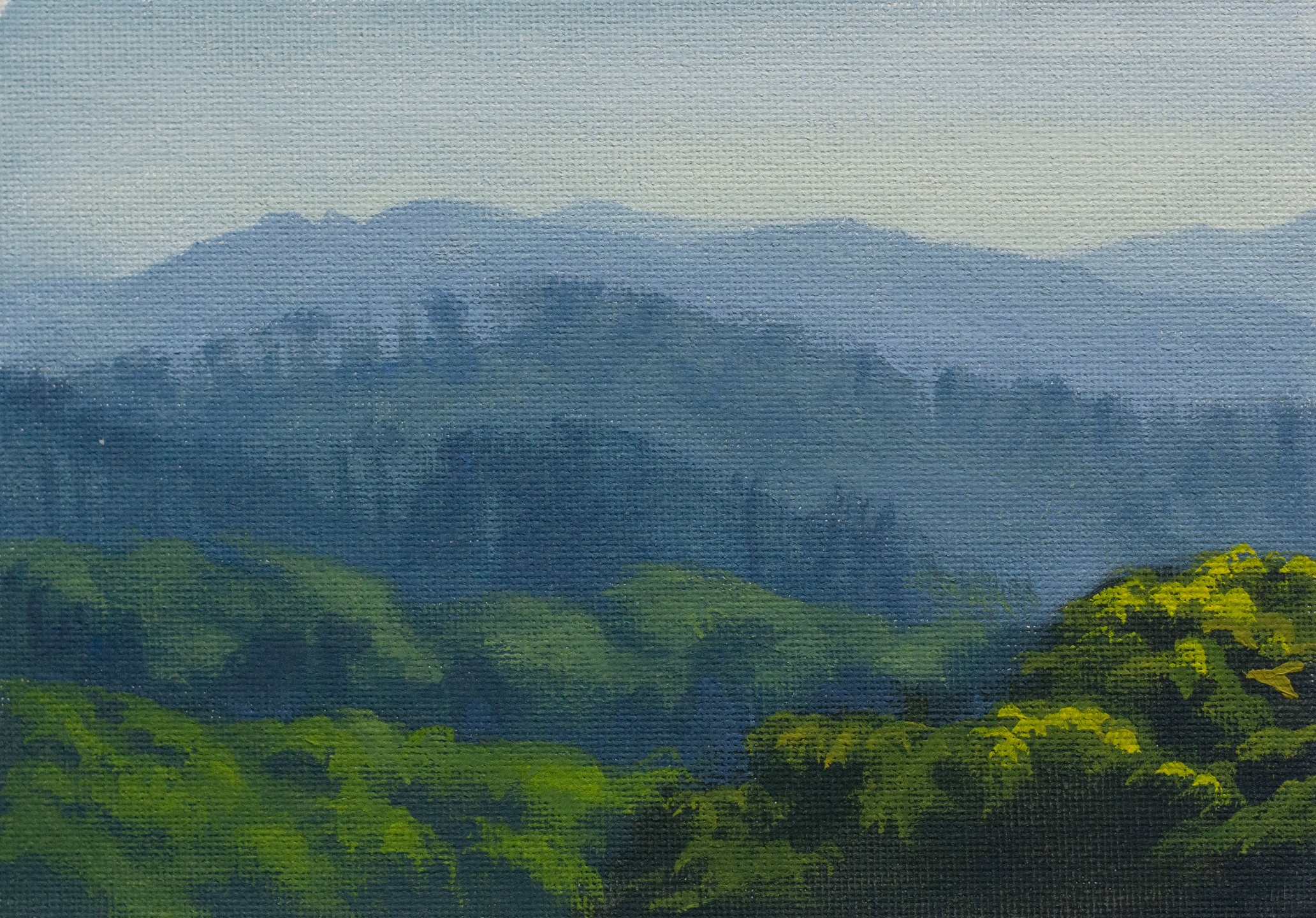
Utilize Atmospheric Principles
Learn rules of color that apply to land, rock, water, skies, and clouds and how to use them to transform bland photos into rich paintings.
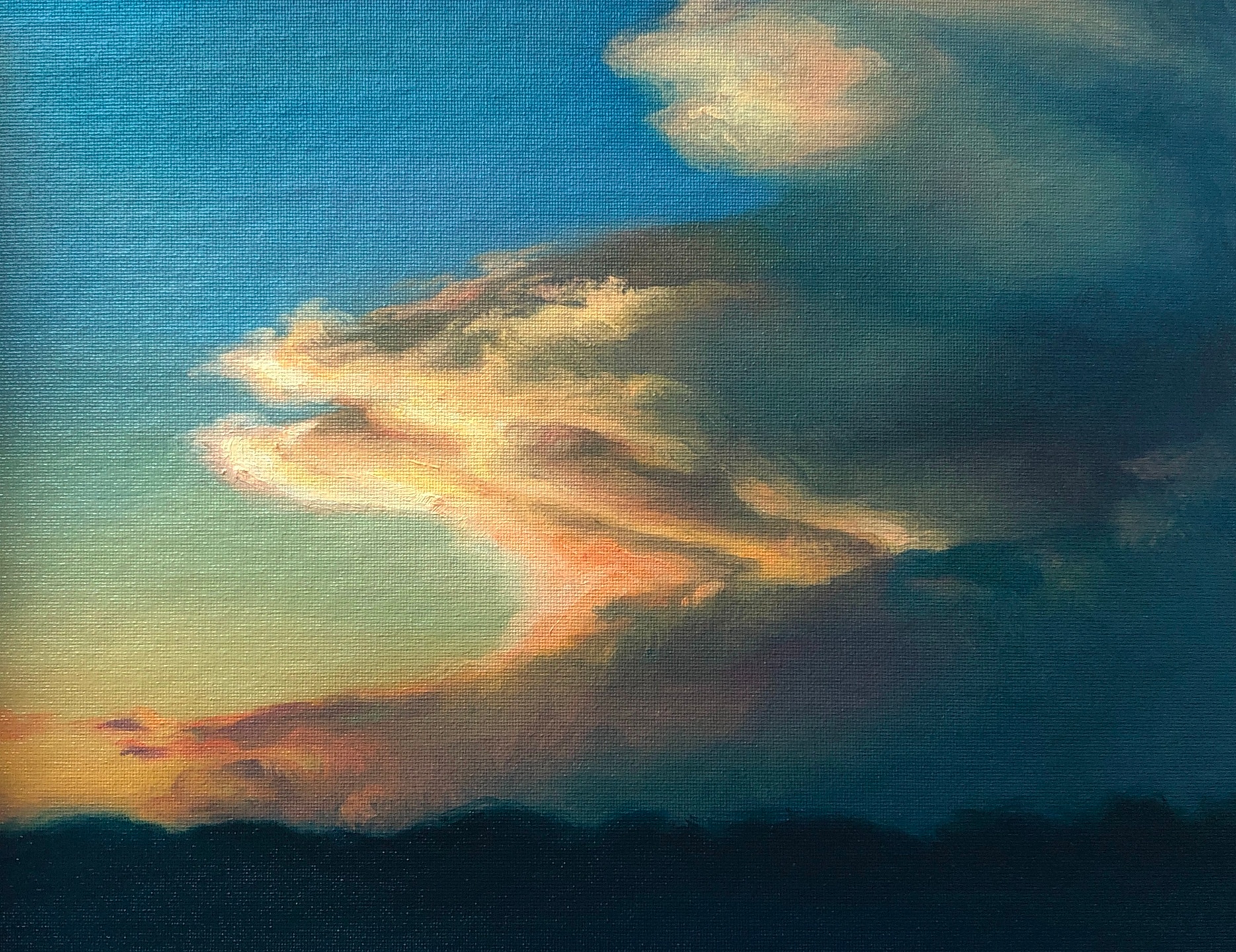
Fully Expressed Forms & Details
While this course begins with sketches for composition, it focuses on a multi-week finished painting project.
Is this course good for beginners?
Landscape Compositions is open to everyone, but it's aimed at students who have experience painting and want to work on the skills of designing and properly finishing a landscape painting.
If you've never painted in any media before, you will find this course challenging since it doesn't cover the basics of color mixing and painting, but it is doable if you're up for jumping in! If you'd like a beginner-friendly course to try first, check out Foundations of Oil Painting or Color Theory for Painters.
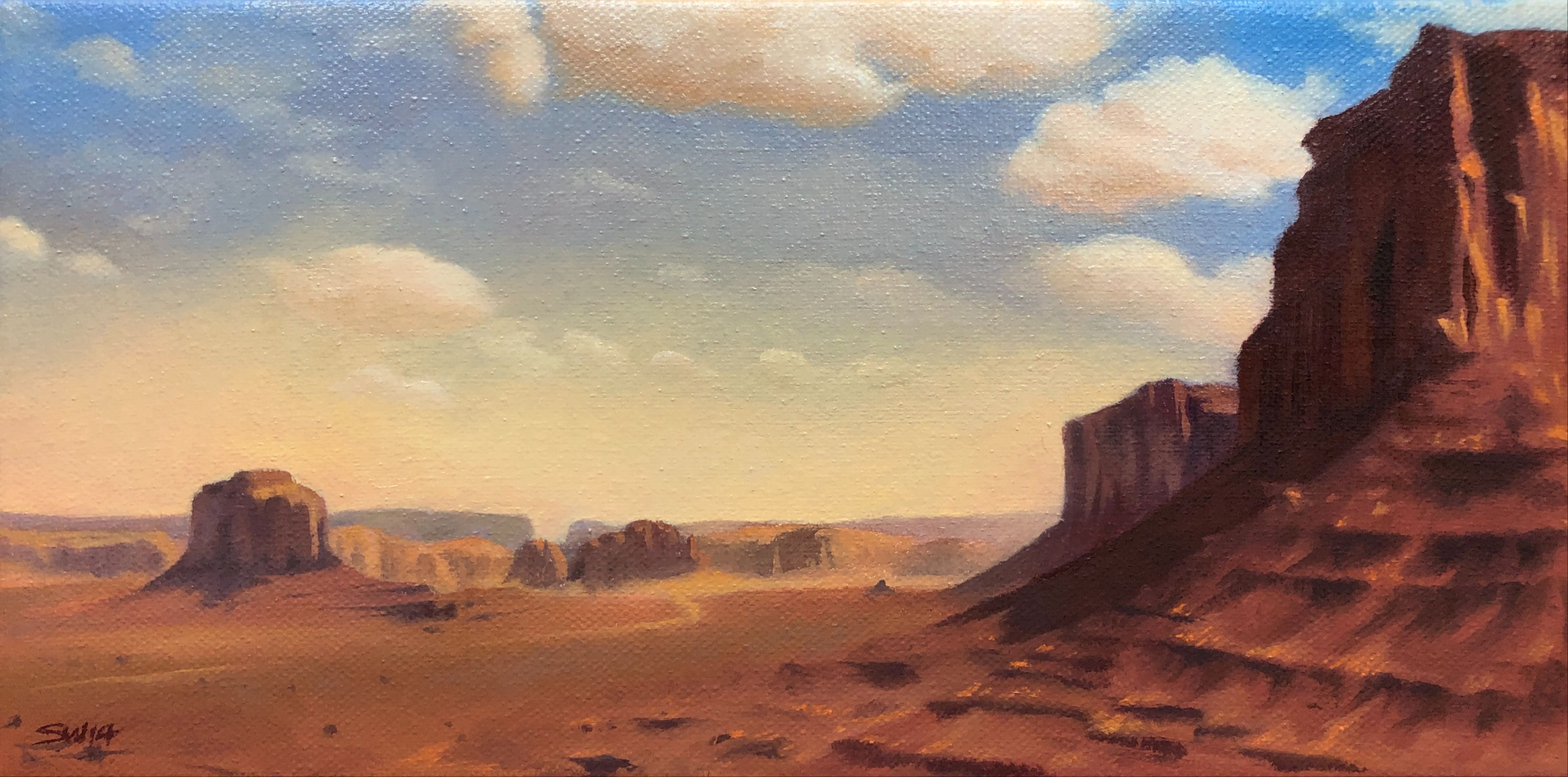
Create depth and focus through design and color.
Photos are often flat, but you'll use atmospheric perspective to push the feelings of distance and and draw the eye through the canvas where *you* want it to go. Choose primary and secondary focal points for dynamic compositions.
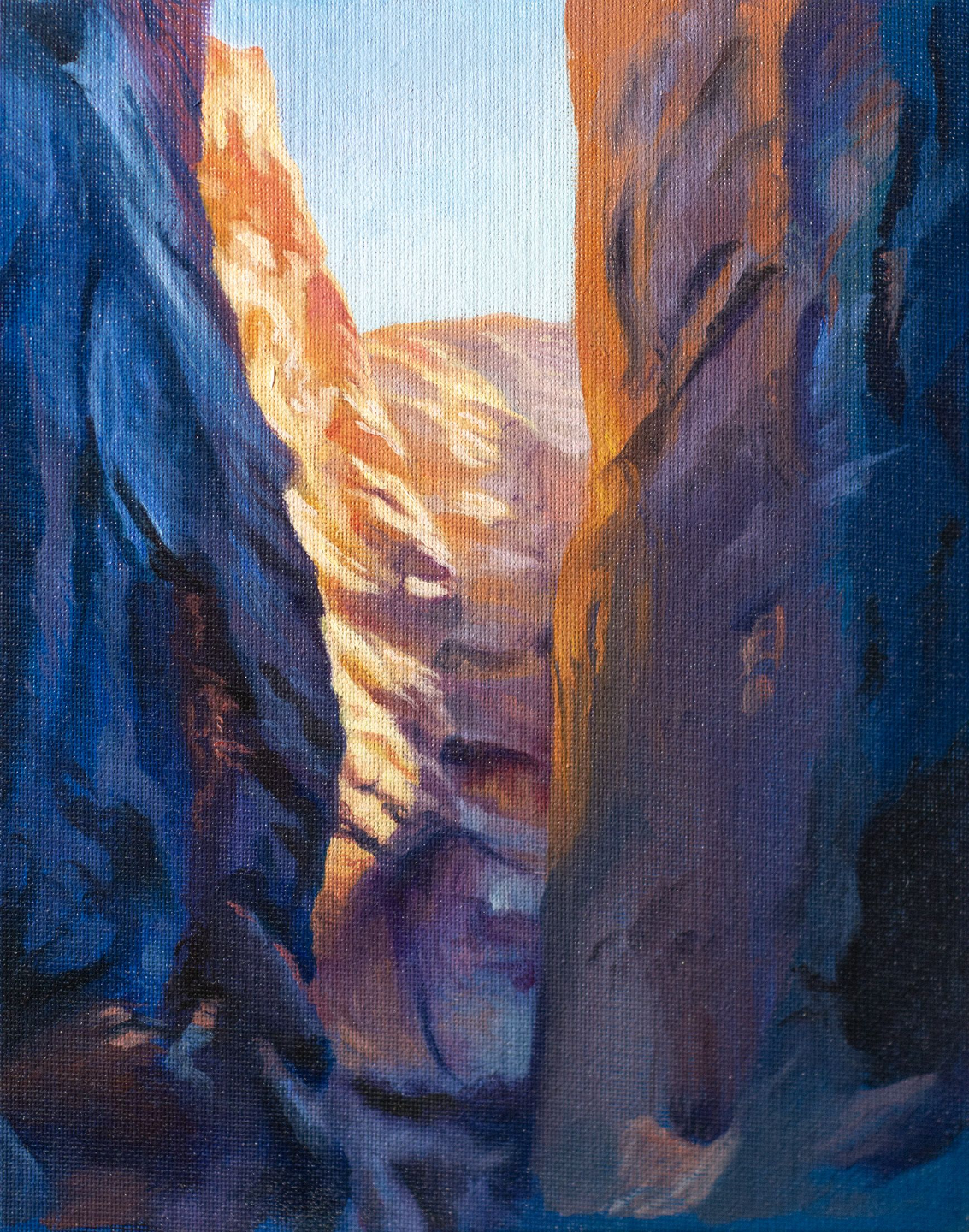
Paint in layers, allowing for a variety of texture and detail.
Multi-week projects allow ample time to develop both smooth blending and crisp detail. Depending on your subject and goals, you may incorporate underpaintings, glazing techniques, thick impasto passages, or knife work.
Try Experimental Color
Who says that you use realistic colors in your landscape paintings? You can think outside the box and let value and composition be your guide while exploring hue and chroma in your work.