Learn to mix any color in paint in
this one day weekend workshop.
Sunday, September 14th, 2025 10am-3pm
$75 Virtual attendance
$150 In-Studio includes materials
Learn to Mix the Right Color Every Time
Are you an artist looking for a reliable, scientific system to accurately mix paint colors? Look no further! This workshop provides you with a step-by-step system you need to master the art of color mixing.
You'll learn the fundamentals of color theory, as well as how to use a color wheel to understand and accurately mix colors. Put your new system into practice with hands-on color mixing exercises and take-home color charts.
At the end of the workshop, you'll be able to confidently mix colors for any painting project. No more mud!
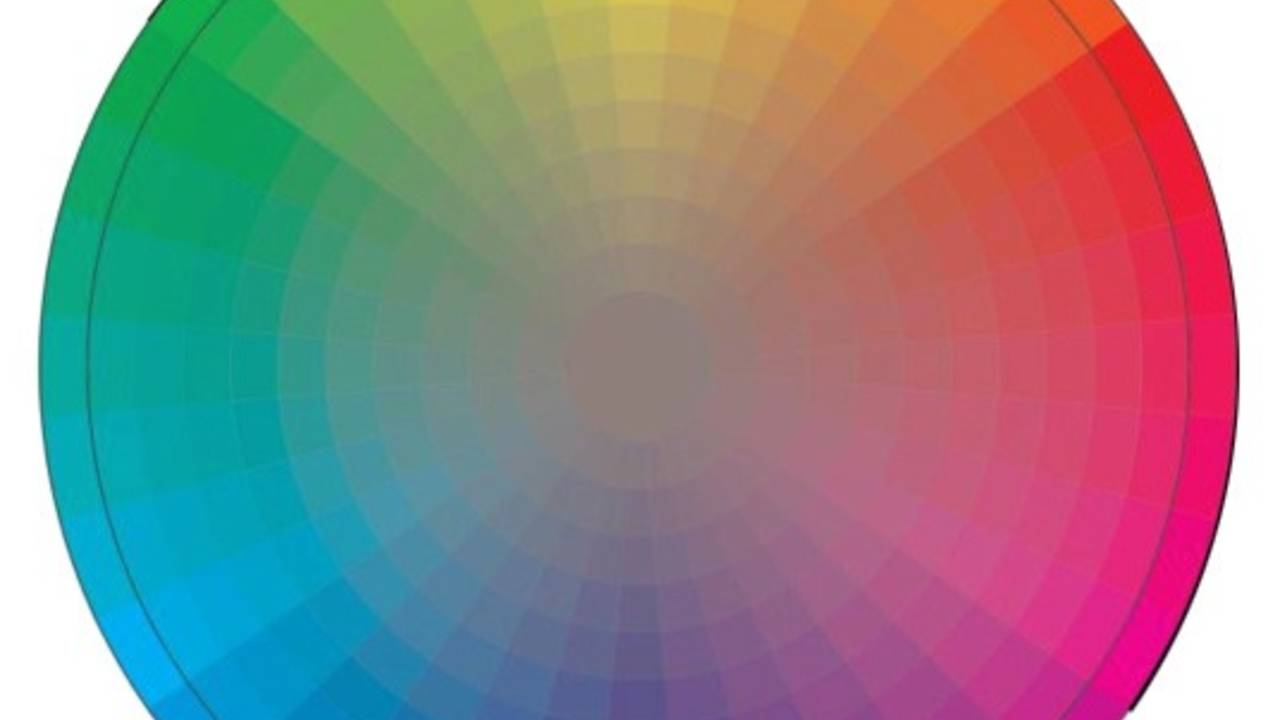
Your color wheel from the art store is probably wrong.
Did you notice that when you follow the mixing directions on that color wheel you bought, it doesn't work? Most of the color wheels used by artists are useless.
In this workshop you'll learn why, get an accurate color wheel, and learn to define the 3 attributes of color. Understanding color on this level is essential for color mixing.


A step-by-step system for accurate color matching.
Through identifying the locations on the (correct) color wheel of your paints and goal colors, you'll be able to make a plan about which pigments to mix together.
Even more importantly: You'll have a troubleshooting plan that helps you fine-tune mixtures that aren't quite there, and know when it's necessary to start fresh.
Conquer challenging neutrals and skin tones!
Colors toward the center of the color wheel, line grays, tans, and browns, are some of the most difficult to identify and accurately mix.
After this workshop, you'll understand the places most artists go wrong and you'll gain a sensitivity to the hues actually present in neutrals.

Space is limited: Reserve your spot today!
Sunday, September 14th, 2025 10am-3pm
Last year's workshop was FULL, and there's only so much room in the studio. Don't miss out on this full day, fun color mixing event!
Join Class In-Studio
Color Theory for Painters
-
Welcome to Color Theory for Painters
1 lesson- Lesson Notes PDF Downloads
-
Lesson 1: Introduction to Color Through Monochromatic Painting
10 lessons- Lesson 1 PDF and Reference Photo Downloads
- Part 1: The Color Wheel
- Part 2: Color Terminology
- Part 3: Paints and Pigments
- Part 4: Monochromatic Color Schemes
- Part 5: Exercise 1 - Exploring Color Range
- Part 6: Exercise 2 - Create Form with Value
- Part 7: Exercise 3 - Monochromatic Compositions
- Live Demo Recording: Red Color Range and a Sphere in Oil
- Live Demo Recording: Continuing the Red Sphere in Oil
-
Lesson 2: Analogous Colors
9 lessons- Lesson 2 PDF and Reference Photo Downloads
- Part 1: Intro to Analogous Colors
- Part 2: Color Temperature - What are Warm and Cool Colors?
- Part 3: How the Temperature of Light Affects Hue
- Part 4: How to Use Hue Shifts to Show Form
- Part 5: Exercise1 - Controlling Hue in Paint Mixtures to Reveal Form
- Part 6: Exercise 2 - Explore How Overall Temperature Affects Mood
- Live Demo Recording: Exercise 1 - Lemon in Watercolor
- Live Demo Recording: Exercise 2 - Warm/Cool Sketches
-
Lesson 3: Complementary Colors
6 lessons- Lesson 3 PDF and Reference Photo Downloads
- Part 1: Intro to Complementary Colors
- Part 2: Mixing Complementary Colors
- Part 3: Exercise 1 - Explore Complementary Palette Range
- Part 4: Exercise 2 - Create a Complementary Composition
- Live Demo Recording: Complementary Color Palette Range & Pears in Gouache
-
Lesson 4: The Concept of Gamut and Palette Limits
7 lessons- Lesson 4 PDF and Reference Photo Downloads
- Part 1: Defining Color Gamut
- Part 2: Understanding Palette Limits
- Part 3: Gamut Masking
- Part 4: Exercise 1 - Explore a Palette's Gamut
- Part 5: Exercise 2 - The Effects of Palette Choice
- Live Demo Recording: Color Gamut Experiments
-
Lesson 5: Creating Depth and Atmosphere
9 lessons- Lesson 5 PDF and Reference Photo Downloads
- Part 1: Introduction to Creating Depth
- Part 2: Atmospheric Perspective
- Part 3: How to Apply Atmospheric Perspective to Non-Landscapes
- Part 4: When Atmospheric Perspective Rules are Broken
- Part 5: Bonus - Things to Notice About the Sky
- Part 6: Exercise - Apply Atmospheric Perspective in a Painting
- Live Demo Recording: Atmospheric Perspective in Watercolor Pt 1
- Live Demo Recording: Atmospheric Perspective in Watercolor Pt 2
-
Lesson 6: Choosing a Color Scheme
10 lessons- Lesson 6 PDF and Reference Photo Downloads
- Part 1: Introduction to Lesson 6
- Part 2: Overview of Color Harmonies
- Part 3: A Practical Approach to Color Choices
- Part 4: Choosing Pigments
- Part 5: Mixing Color Strings
- Part 6: Exercise - Create a Painting with a Color Scheme
- Demonstration 1: Using Color Strings to Paint an Eye in Gouache
- Demonstration 2: Choosing a Color Scheme and Mixing Strings
- Demonstration 2: Creating a Sketch from Color Strings
-
Uploaded recordings
6 lessons- 6/13/2026 1:03 PM CDT recording
- 6/20/2026 1:01 PM CDT recording
- 6/27/2026 1:05 PM CDT recording
- 7/11/2026 1:04 PM CDT recording
- 7/18/2026 1:06 PM CDT recording
- 7/25/2026 1:03 PM CDT recording